Design systems in the age of AI
How AI is transforming the way we build and scale design systems.
How AI is redefining the way we build design systems
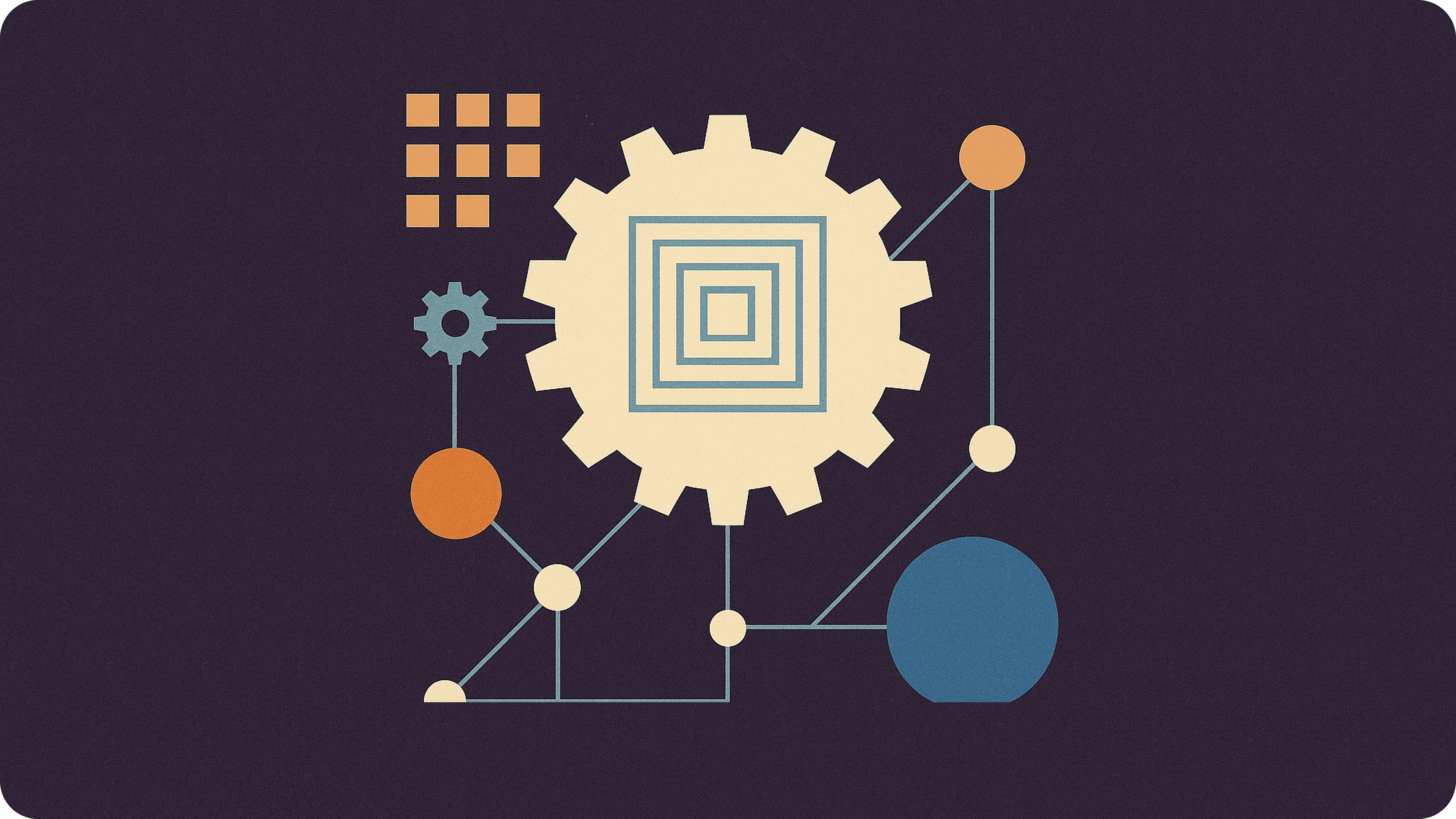
Design systems have always been the backbone of scalable, consistent design, giving teams shared structure, language, and speed. But as AI reshapes how we create and ship digital products, those same systems are being redefined. The challenge now isn’t just maintaining consistency, it’s learning how to evolve with intelligence built in.
AI as a co-designer
AI is no longer a passive tool — it’s becoming a collaborator. From generating layout options to recommending components based on context, AI can help us move faster and think broader. But this only works if the system gives it the right parameters — the same way a design spec guides a developer. Think of your design system documentation, accessibility rules, brand tokens, and usage patterns as the AI’s “source of truth.” The clearer your guardrails, the more meaningful its output.
Beyond static libraries
Traditional design systems are built on fixed components and rigid guidelines. AI challenges that model. Imagine a system that learns from real-world usage, refining components, updating tokens, or personalising UI patterns based on data. Instead of managing libraries, we’ll be curating adaptive frameworks that evolve with use.
AI-generated components
As AI becomes capable of producing layouts, typographic scales, and design patterns, our role shifts from execution to direction. Designers become curators and editors, defining principles, enforcing accessibility, and aligning AI-generated output with brand intent. It’s less about pixel-perfect crafting, more about teaching systems how to design responsibly.
Design systems as data hubs
AI feeds on structured data, and design systems are full of it. Every token, usage pattern, and accessibility rule becomes fuel for smarter automation. Systems will increasingly act as datasets, guiding AI toward better decisions, cleaner handoffs, and more consistent experiences across products.
How designers can adapt
Don’t start from scratch, build from what exists. Use AI as a sounding board to refine ideas, not to replace your thinking. The goal isn’t to automate creativity, but to enhance it. The more context and constraints you provide, through system specs, naming conventions, and design principles, the more value you’ll get back.
Final thought
AI won’t replace design systems. It’ll make them smarter, more connected, and more human-aware. The real opportunity lies in using AI to scale clarity, not chaos, and for designers to lead that evolution with intent, curiosity, and craft.

Alex Pacheco
Lead Product designer
If you like what you see or have any questions, feel free to send me an email anytime.
Share this article
Recent articels
I write about the future of design and the life of a product designer